

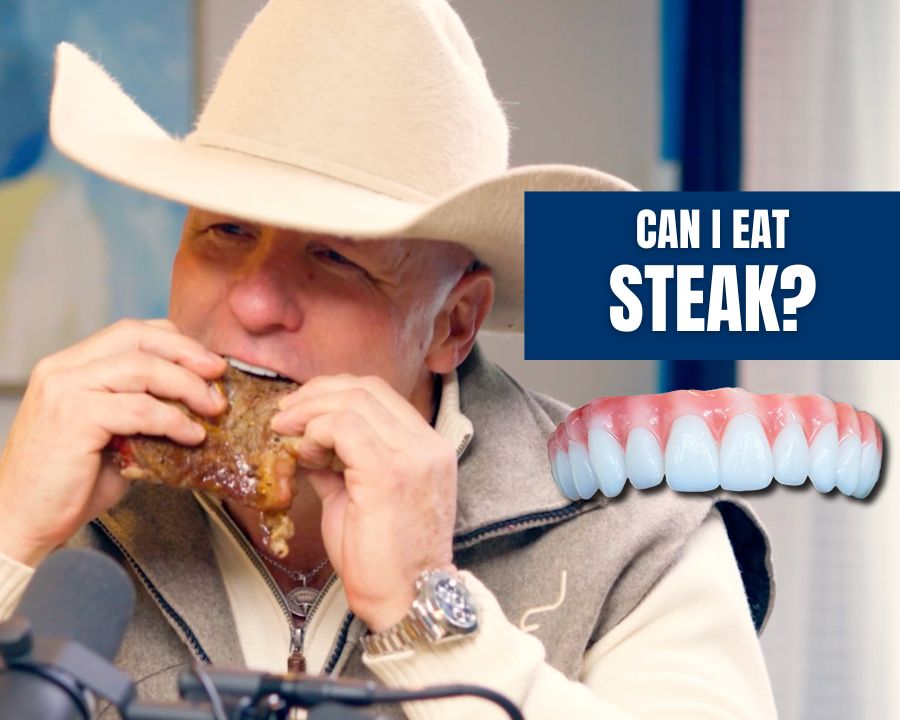
Temporary teeth after dental implants restore appearance and basic function while implants heal, but they should not be treated like final teeth. Most patients need a soft, low-chewing-force diet until their dentist confirms that healing is advanced enough for greater loading.
A temporary crown or bridge is part of the healing plan. Its shape and bite help protect the surgical site, guide the gums, and limit excessive forces during osseointegration.
What Are Temporary Teeth After Dental Implants?
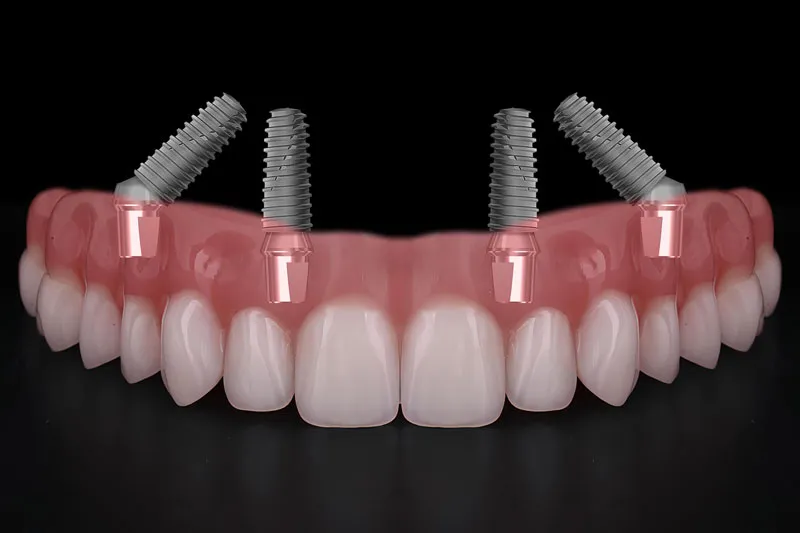
Temporary teeth, or provisional restorations, are crowns or bridges used before the definitive implant restoration. They may be placed on surgery day or later depending on implant stability, bone quality, grafting, implant number, and bite design.
For a single implant, a temporary crown may look natural while remaining out of heavy contact. In full-mouth dental implant treatment, several implants may support a fixed provisional bridge, but chewing forces still need careful control.
Same-day teeth do not mean unrestricted chewing
A restoration can be attached while the bone-to-implant bond is still developing. Excessive movement can interfere with healing, especially when primary stability is limited or grafting was performed. A fixed bridge may feel strong before the implants are ready for normal chewing.
What Can You Eat With Temporary Teeth After Dental Implants?
Your dentist’s instructions take priority because surgical complexity varies. A practical rule is to choose foods that require little force and can be cut easily with a fork.
| Healing Stage | Better Choices | Usually Avoid |
|---|---|---|
| First 24 hours | Yogurt, cool soup, pudding, applesauce, mashed vegetables | Hot foods, alcohol, nuts, chips, crusty bread |
| Days 2 to 7 | Eggs, soft fish, oatmeal, pasta, rice, cooked vegetables | Steak, raw carrots, popcorn, sticky candy, hard crusts |
| Weeks 2 to 6 | Tender chicken cut small, soft meatballs, fish, soft grains | Hard nuts, ice, tough meat, chewy bread |
| Later healing | Gradual return to firmer foods after approval | Anything causing pain, movement, clicking, or pressure |
Keep the soft diet nutritious
Healing still requires protein, calories, fluids, vitamins, and minerals. Eggs, Greek yogurt, soft fish, blended legumes, tofu, smooth soups, and finely minced meat provide useful nutrition without aggressive chewing.
What Should You Expect During the First Week?
Swelling, tenderness, bruising, and tightness can occur after implant surgery and should generally improve rather than worsen. Full-arch temporary bridges may also cause short-term speech changes while the tongue adapts.
Do not chew while numb. You can bite the lip, cheek, or tongue, and hot food may burn tissues unnoticed. Eat slowly and take small bites.
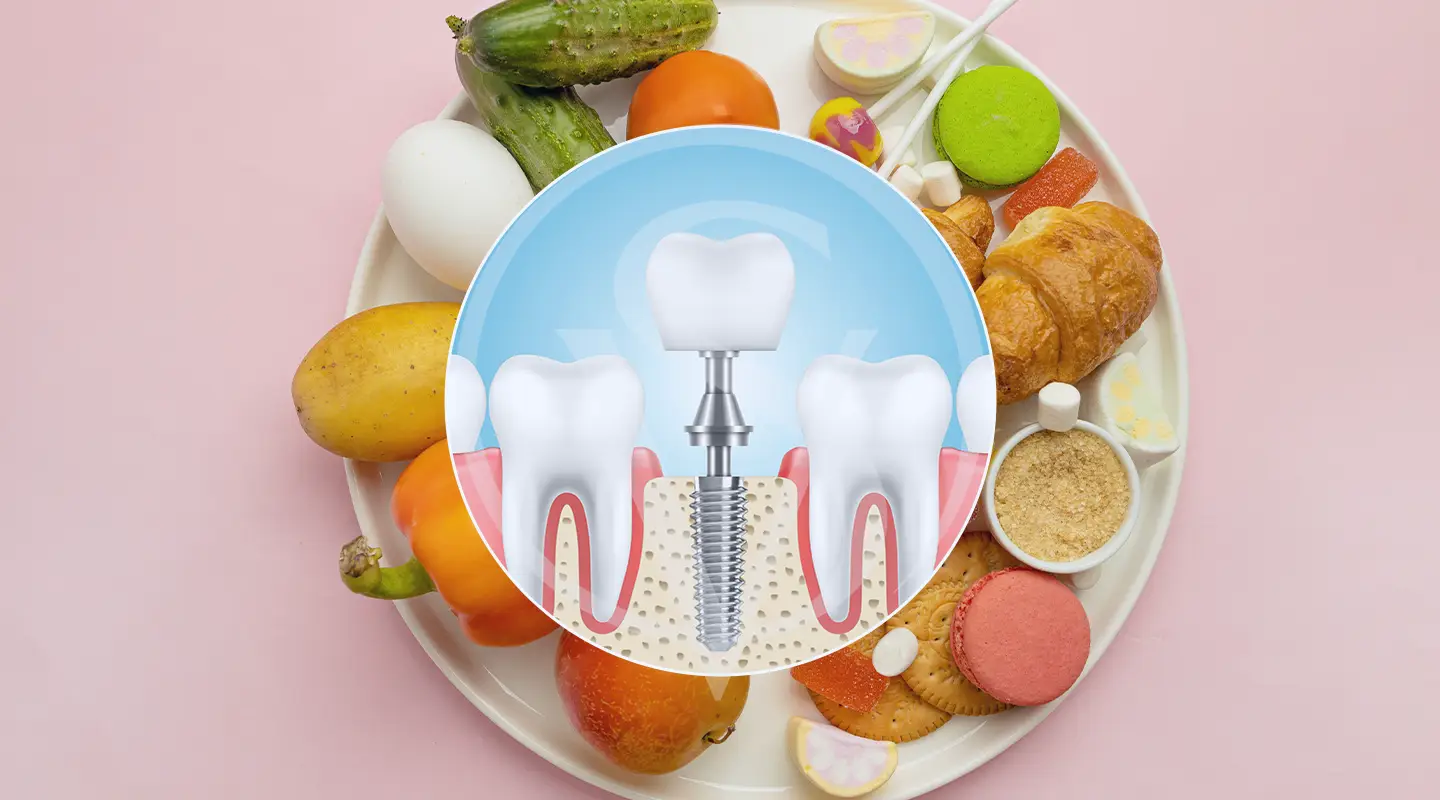
Dental Implant Care at Karat Dental Clinic
Karat Dental Clinic in Turkey provides personalized implant treatment with experienced dentists, modern digital technology, and carefully planned restorative care at affordable prices. International patients can receive hotel accommodation, airport transfers, translator support, and individualized treatment planning based on bone condition, esthetic goals, bite requirements, and long-term maintenance.
| Treatment | Price |
|---|---|
| Hollywood Smile | €1,999–€3,499 |
| All-on-4 Dental Implants | €4,999–€5,499 |
| All-on-6 Dental Implants | €6,499–€7,499 |
| Zygomatic Dental Implants | €3,499–€4,999 |
| Dentist Consultation | FREE |
Why Temporary Teeth Feel Different From Final Teeth
Provisionals are often made from acrylic or composite-based materials rather than the stronger ceramics used for definitive restorations. They may feel thicker, smoother, or less refined because their main purposes are controlled function, tissue guidance, and protection during healing.
The temporary phase is also clinically useful. Tooth length, lip support, smile line, speech, gum contour, hygiene access, and bite can be assessed before the final crown or bridge is made. For complex cases, this trial period can improve the predictability of the definitive result.
Common temporary-tooth problems
- Speech changes: Usually improve as the tongue adapts.
- Food trapping: More common under full-arch bridges.
- Chipping: More likely with hard or sticky foods.
- Loose components: A screw or provisional can occasionally loosen.
- High bite contact: One heavy spot may overload a healing implant and require adjustment.
How Long Do Temporary Teeth Stay In?
A single implant often heals for several months before the final crown is fitted. Full-arch cases may use a provisional bridge during the integration period, followed by a definitive prosthesis once the dentist confirms implant stability and soft-tissue maturation.
Timing cannot be promised identically for every patient. Bone quality, implant stability, grafting, smoking, medical factors, oral hygiene, and surgical complexity can change the schedule. Karat Dental Clinic’s dental implant procedure guide explains the typical treatment stages.
How to Protect Temporary Implant Teeth
- Follow the prescribed diet. A stable-feeling bridge does not mean the bone has finished healing.
- Do not test the teeth. Avoid ice, pens, hard snacks, and opening packages with your teeth.
- Keep the area clean. Use the toothbrush, rinses, or interdental tools recommended by your dental team.
- Attend bite checks. Small occlusal changes can matter around implants.
- Report movement early. Clicking, rocking, fracture, or a sudden bite change should be assessed.
When Can You Return to Normal Eating?
Return to firmer foods progressively, not simply when pain disappears. In immediate provisional cases, soft-food restrictions may continue for several weeks, but the correct duration is case-specific.
After osseointegration is confirmed and the definitive restoration is fitted, most patients can broaden their diet. Even permanent implant teeth are not indestructible. Repeated ice chewing, bones, extremely hard nuts, and using teeth as tools can damage ceramic or mechanical components. Patients replacing an entire arch can learn more in the full-mouth dental implants guide.
When Should You Contact Your Dentist?
Contact your dental team if pain or swelling worsens instead of improving, bleeding is difficult to control, the temporary tooth moves, a bridge cracks, your bite suddenly changes, or you develop fever, drainage, persistent bad taste, or difficulty swallowing. These signs do not automatically mean implant failure, but they require assessment.
Expert Recommendations
The most common mistake is treating temporary implant teeth like final teeth because they look fixed and feel secure. Successful healing depends on biological stability and mechanical protection. Eat softer foods than you think you need, clean the prosthesis carefully, and keep scheduled reviews.
From a prosthodontic perspective, a well-designed provisional is also a diagnostic tool. It lets the dentist refine esthetics, speech, hygiene access, bite, and gum architecture before those details are transferred to the final restoration.
Frequently Asked Questions About Temporary Teeth After Dental Implants
Can I chew normally with temporary teeth after dental implants?
Usually not at first. A soft diet is commonly required while the implants integrate. Follow the chewing limits set by your implant dentist.
What are the best foods after getting temporary implant teeth?
Eggs, yogurt, soft fish, oatmeal, pasta, soft rice, cooked vegetables, smoothies without seeds, and finely minced proteins are practical choices.
How long should I eat soft foods after dental implants?
The period may range from days to several weeks. Immediate-loading and full-arch cases often need longer restrictions than simple cases.
Can temporary implant teeth break?
Yes. Provisional materials are generally less wear-resistant than final ceramic restorations, so hard foods, sticky foods, and an uneven bite can cause damage.
Why do my temporary teeth feel bulky?
Extra contour may provide strength, support healing tissues, or accommodate the design of a full-arch provisional. Your dentist can check any uncomfortable areas.
Can I drink coffee after implant surgery?
Avoid very hot beverages while tissues are fresh and numb. Lukewarm coffee may be acceptable later unless your dentist gives stricter instructions.
When are permanent teeth placed after implants?
They are fitted after sufficient healing and implant stability are confirmed. Complex surgery or bone grafting can extend the timeline.
What if my temporary implant tooth feels loose?
Stop chewing on it and contact your clinic. Do not attempt to tighten or repair the temporary restoration yourself.
Do temporary implant teeth look natural?
They can look very natural, especially in the smile zone. Final ceramics usually allow finer control of color, translucency, texture, and polish.
Conclusion
Temporary teeth after dental implants can make healing more comfortable and socially manageable, but they require discipline. Choose soft, nutritious foods, avoid excessive biting forces, maintain careful hygiene, and report movement or fracture promptly. When properly planned, the provisional phase protects healing implants and helps the dental team create a functional, natural-looking final restoration.


