
One of the most practical questions patients ask before implant treatment is, “When can I return to work after dental implant surgery?” For many people having a straightforward single implant under local anesthesia, returning to a desk-based job the next day or after one or two days of rest may be realistic. However, recovery is not identical for everyone.
The number of implants, bone grafting, sinus surgery, sedation, the physical demands of your job, swelling, medication and your general health can all influence how quickly you feel ready to work. More importantly, feeling well enough to answer emails is different from being ready to lift heavy objects, operate machinery or work a physically demanding shift.
1. Dental Implant Surgery and the Short-Term Recovery Timeline
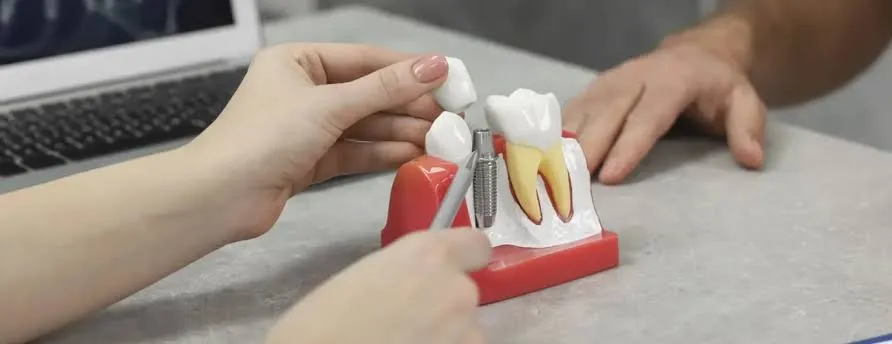
Dental implant surgery involves placing a titanium or similar biocompatible implant into the jawbone to replace the root of a missing tooth. Although the implant requires months to integrate biologically with the surrounding bone, the initial surgical recovery is much shorter.
Most patients experience their greatest tenderness, swelling and inconvenience during the first few days. Minor swelling or bruising can remain for several days, while the implant continues healing beneath the gum for much longer.
This distinction is important. You do not need to wait for complete osseointegration before returning to your normal job.
2. When Can You Return to Work After Dental Implant Surgery?
After uncomplicated implant placement performed with local anesthesia, many patients can return to non-physical work within one to two days. Some feel comfortable working the following day, especially when only one implant has been placed and no additional surgical procedures were required.
Taking the day of surgery off is sensible. Even if you feel comfortable, resting helps limit unnecessary physical strain and allows you to manage early bleeding, medication, meals and cold compresses more easily.
3. Dental Implant Recovery: What Happens During the First 72 Hours?
The first 24 to 72 hours often determine how comfortable returning to work will feel. Mild bleeding or oozing may occur shortly after surgery. Swelling generally becomes more noticeable during the first couple of days before gradually improving.
You may also notice tenderness when chewing, mild jaw stiffness or bruising around the cheek. These reactions do not automatically indicate a complication.
Patients should follow their dentist’s instructions concerning prescribed medication, oral hygiene, cold compresses and diet rather than trying to accelerate recovery simply to return to work sooner.
4. How the Dental Implant Recovery Timeline Changes During the First Week
By the third or fourth day, many patients notice that everyday activities become considerably easier. Swelling should gradually settle, although visible puffiness can occasionally last longer after more extensive procedures.
By approximately one week, a patient who has undergone routine implant placement will often feel substantially closer to normal. However, the surgical area is still healing internally. Returning to normal activities does not mean the implant should immediately be exposed to excessive chewing forces or trauma.
5. Returning to Office Work After Dental Implant Surgery
Office workers generally have the easiest return-to-work schedule. If your role mainly involves sitting, using a computer, attending meetings or speaking occasionally, one or two recovery days may be sufficient after straightforward surgery.
Consider whether your job involves continuous speaking. A patient who spends eight hours answering telephone calls may find swelling, tenderness or temporary prosthetic work more inconvenient than someone working quietly from a laptop.
If possible, scheduling surgery before a weekend can provide extra recovery time without requiring several days away from work.
6. Returning to Physical Work After Dental Implant Surgery
Construction workers, warehouse employees, delivery personnel, athletes and people whose jobs involve lifting should take a more cautious approach. Heavy exertion raises heart rate and blood pressure and can contribute to postoperative bleeding or throbbing around a fresh surgical site.
Strenuous exercise is normally restricted for at least the early recovery period, and the exact timing should come from your surgeon. Returning to an office does not necessarily mean you are ready to lift boxes, perform intense manual labor or return to high-impact exercise.
7. Returning to Work After Multiple Dental Implants or Full-Arch Treatment
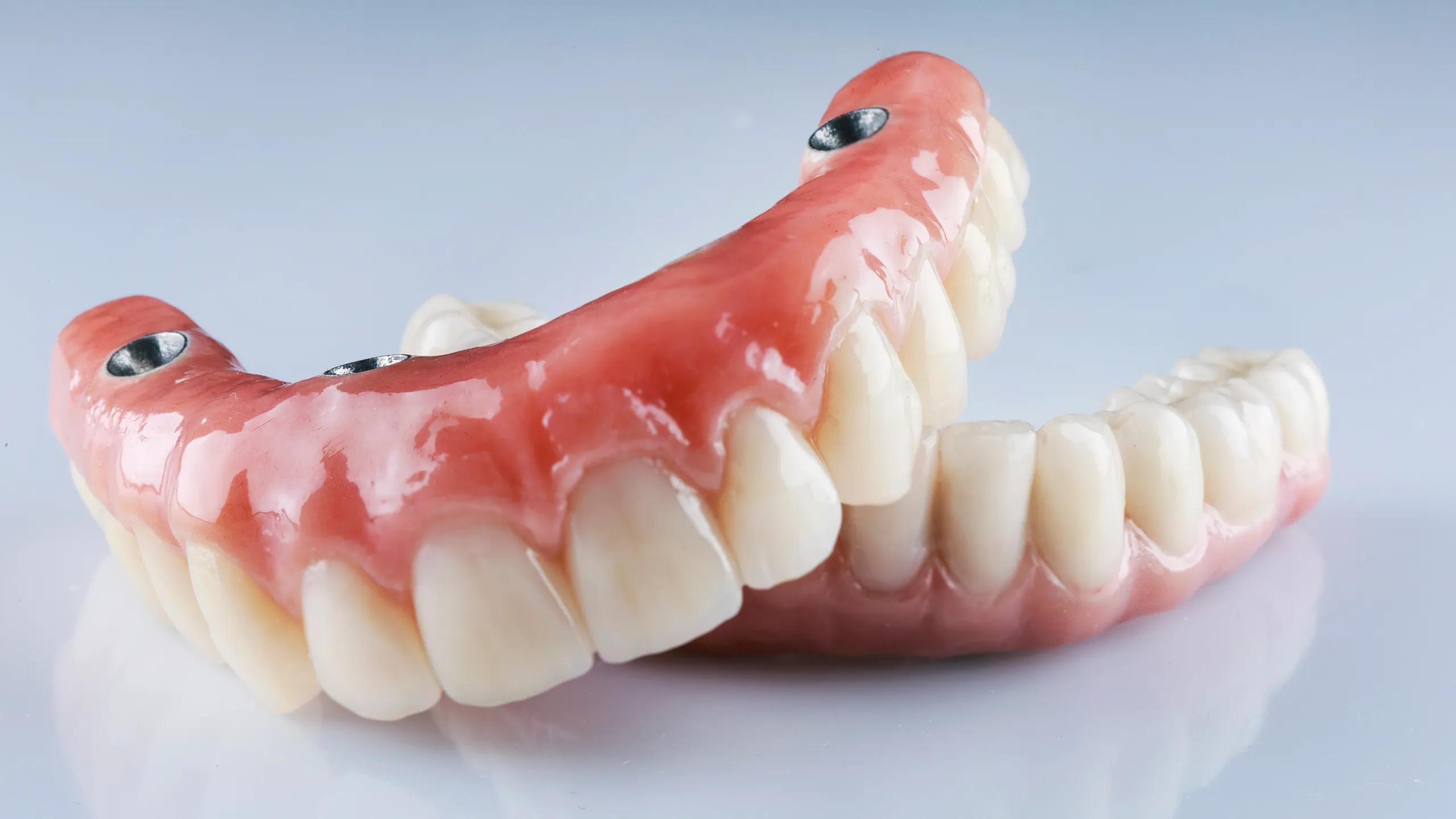
Recovery can be more noticeable when several implants are placed during the same appointment. Full-arch procedures such as All-on-4 or All-on-6 involve a larger treatment area than a single implant, so additional swelling, fatigue and dietary limitations may occur.
Patients considering extensive treatment can review All-on-4 dental implants in Istanbul to understand how full-arch implant treatment differs from replacing one tooth.
8. Bone Grafting, Sinus Lifts and Their Effect on Returning to Work
Additional procedures can change the recovery schedule significantly. Small bone grafts may add only modest discomfort, while larger grafts or sinus augmentation can create more swelling and require additional precautions.
This is why two patients receiving the same number of implants can have different return-to-work recommendations. Surgical complexity is often more important than simply counting implants.
A personalized surgical plan based on CBCT imaging and bone volume provides a much more useful estimate than a universal number of recovery days.
Considering Dental Implants or a New Smile in Turkey?
A confident, functional smile is no longer limited to celebrities or extremely expensive private treatment. Modern implant dentistry in Turkey can combine advanced digital planning, internationally recognized implant systems and competitive treatment costs. At Karat Dental Clinic in Istanbul, patients can request an individualized assessment before deciding which implant or smile rehabilitation option suits them.
| Treatment | Price Range |
|---|---|
| All-on-4 Dental Implants | €4,999 – €5,499 |
| All-on-6 Dental Implants | €6,499 – €7,499 |
| Zygomatic Implants | €3,499 – €4,999 |
| Hollywood Smile | €1,999 – €3,499 |
| Dentist Consultation | FREE |
Explore dental implant treatment in Turkey or request a personalized consultation based on your teeth, bone structure and treatment goals.
9. How Swelling and Pain Affect Your Return to Work After Dental Implant Surgery
Discomfort after implant placement is usually manageable, but individual experiences vary. For some patients, appearance rather than pain is the main reason to take another day away from work. Facial swelling or minor bruising can make customer-facing meetings uncomfortable even when the patient feels physically well.
Cold compresses during the early postoperative period may help with swelling when recommended by your dentist. Medication should be taken only according to your clinician’s instructions and relevant medical guidance.
10. Dental Implant Healing, Osseointegration and the Difference Between Recovery and Healing
Returning to work should not be confused with completing implant healing. The gum may become comfortable relatively quickly, but osseointegration takes considerably longer. During this biological process, bone forms a stable interface around the implant.
Depending on the clinical situation, final restoration may occur months after implant placement. Patients can therefore be working, traveling and performing normal daily activities long before the implant has completed its deeper healing process.
You can read more about the overall procedure in Karat Dental Clinic’s guide to dental implant procedures in Turkey.
11. What Should You Eat When Returning to Work After Implant Surgery?
Planning meals is particularly useful if you return to work quickly. Soft foods that require limited chewing are usually easier during early recovery. Eggs, yogurt, soft pasta, mashed vegetables and similar foods may be more comfortable than hard, crunchy or sticky foods.
Do not interpret the absence of pain as permission to chew hard foods directly over a new implant site. Protecting the surgical area during early healing is more important than testing how strong it feels.
12. Dental Implant Surgery, Smoking and Workplace Recovery
Smoking deserves special attention because wound healing is critical after implant surgery. Patients should follow their dental surgeon’s instructions regarding smoking and nicotine use before and after treatment.
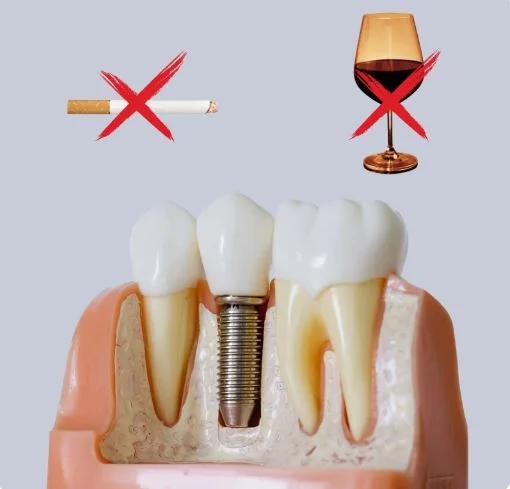
Returning to a normal work environment should not mean immediately returning to habits that may interfere with recovery. Long-term implant success depends on healthy gum tissue, plaque control and regular professional monitoring, not simply surviving the first postoperative week.
13. When Can You Return to Work After Dental Implant Surgery With Sedation?
Sedation changes the answer considerably. Even if your mouth feels comfortable, sedative medication can temporarily affect judgment, coordination and reaction time.
Patients who receive intravenous sedation should follow their clinic’s post-sedation restrictions carefully. Driving, operating machinery and performing safety-sensitive work may be prohibited for a defined period after treatment. Your escort and recovery arrangements should therefore be organized before surgery rather than after the procedure.
14. Can You Exercise After Returning to Work Following Dental Implant Surgery?
Being able to work does not automatically mean you are ready for the gym. Vigorous exercise can increase blood pressure and contribute to bleeding or discomfort around a fresh surgical site.
Light daily movement is different from running, heavy weightlifting or intense sport. Exercise should be resumed gradually according to your surgeon’s instructions, especially following multiple implants, bone grafting or other oral surgery.
15. Warning Signs That Mean You Should Delay Returning to Normal Activities
Recovery should generally trend toward improvement. Contact your dental team if you develop concerning symptoms such as persistent heavy bleeding, rapidly worsening swelling, fever, significant discharge, severe pain that is not controlled as expected, or symptoms that suddenly become worse after initially improving.
Do not continue a demanding work shift simply because a predetermined number of recovery days has passed. Clinical symptoms are more important than the calendar.
16. How to Plan Dental Implant Surgery Around Your Work Schedule
For a straightforward implant, many patients prefer treatment late in the week and use the weekend as a recovery period. For more complex procedures, build extra flexibility into your schedule.
Before treatment, tell your dentist exactly what your occupation involves. “I work full time” provides less useful information than explaining that you lift 25-kilogram packages, drive commercially, speak continuously with clients or operate industrial machinery.
17. Frequently Asked Questions About Returning to Work After Dental Implant Surgery
Can I go to work the day after a dental implant?
Many patients with a straightforward single implant and a desk-based job can work the following day. Taking one or two days off may nevertheless make the early recovery period more comfortable.
How many days should I take off after dental implant surgery?
There is no universal number. A simple implant may require only the day of surgery or one additional recovery day, while multiple implants, grafting, sedation and physically demanding jobs may justify more time.
When can I return to physical work after dental implants?
Physical work usually requires more caution than office work because lifting and strenuous activity can increase bleeding and discomfort. Follow your surgeon’s individualized activity restrictions.
Can I talk normally after dental implant surgery?
Usually yes, although swelling, tenderness or extensive full-arch treatment may temporarily make prolonged speaking less comfortable.
Can I drive myself to work after implant surgery?
Driving restrictions depend strongly on anesthesia and sedation. Patients receiving sedation must follow their clinic’s specific instructions and should arrange transportation in advance.
How long does swelling last after dental implants?
Swelling commonly becomes noticeable during the first couple of days and should gradually improve afterward. More extensive surgery can produce more pronounced or prolonged swelling.
Does returning to work mean my implant has healed?
No. Functional recovery occurs much sooner than biological integration. You may feel completely normal while osseointegration is still progressing inside the jawbone.
18. In Summary: When Can You Return to Work After Dental Implant Surgery?
For many healthy patients undergoing uncomplicated dental implant placement with local anesthesia, returning to light or desk-based work within one to two days is realistic. Some people can work the following day, while others prefer several days for swelling and discomfort to settle.
Multiple implants, All-on-4 or All-on-6 treatment, bone grafting, sinus procedures, sedation and physically demanding occupations can extend that timeline. The safest return-to-work plan is therefore based on the procedure you actually received rather than a generic internet recovery schedule.
Long-term implant success also depends on what happens after the initial recovery period. Consistent brushing, appropriate interdental cleaning, avoiding harmful habits, professional hygiene visits and regular dental examinations allow the dentist to monitor the implant, surrounding gums, bite and prosthetic components before small problems become more difficult to manage.
From a clinical perspective, taking an extra recovery day when you genuinely need it is usually more sensible than rushing back to strenuous activity. Your implant is intended to function for many years, so the first few days should focus on controlled healing, careful hygiene and following your surgeon’s instructions.